
Singapore is facing a growing obesity challenge, with national data revealing that 12.7% of residents aged 18–74 are classified as obese, a figure that has been steadily climbing over the past decade. While lifestyle interventions like exercise and diet remain crucial, many individuals continue to struggle with stubborn fat that won’t budge, particularly visceral fat, stored deep around internal organs.
For postpartum women and adults navigating metabolic shifts in their 30s and 40s, this isn’t just a cosmetic concern, it’s a health issue. Enter BioAesthetic, a Singapore-based clinical aesthetics brand born from the 30-year legacy of Theresa Holdings. Combining holistic wellness with data-led medical rigor, BioAesthetic introduces treatments like Visceral Sculpt that go beyond surface-level slimming to target both subcutaneous and visceral fat with precision, empowering clients to understand their body at a deeper, measurable level.

Understanding the Fat That Matters
Many may hit their daily step goals, maintain balanced diets, and exercise consistently yet still face challenges with stubborn abdominal fat. The distinction lies in the type of fat they carry:
- Subcutaneous fat sits just beneath the skin and can be pinched, commonly appearing on the arms, thighs, or abdomen.
- Visceral fat, however, is hidden deep inside the abdomen, surrounding organs like the liver and intestines. Despite a slim external appearance, individuals can carry high levels of visceral fat, which is linked to metabolic concerns such as insulin resistance and cardiovascular strain.
Recognising this gap between appearance and internal health, BioAesthetic leverages FDA-approved technologies and a medical-grade Body Analysis System to provide clients with an accurate, data-driven understanding of their body composition. This enables measurable progress tracking and personalised treatment plans addressing fat that is otherwise resistant to conventional methods.
Who Benefits Most?
The treatment resonates with two main client groups:
- Postpartum women, who often experience stubborn abdominal fat despite exercise and diet.
- Adults in their 30s to 50s, navigating metabolic shifts that affect fat distribution.
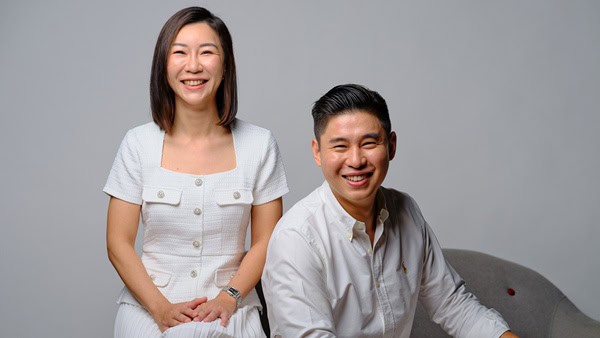
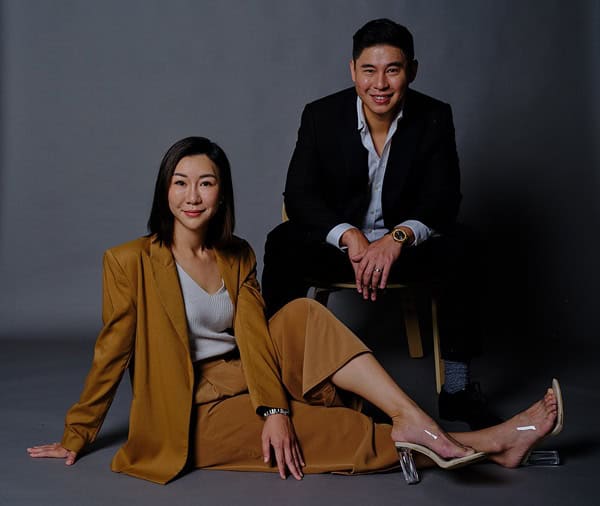
Founded by Ken and Sandra Koh, second-generation heirs to the Theresa Holdings legacy, BioAesthetic has invested S$1.5 million to pivot from traditional salon culture into clinical aesthetics. Their approach focuses on transparency, measurable outcomes, and empowering clients to bridge the gap between lifestyle efforts and visible results.
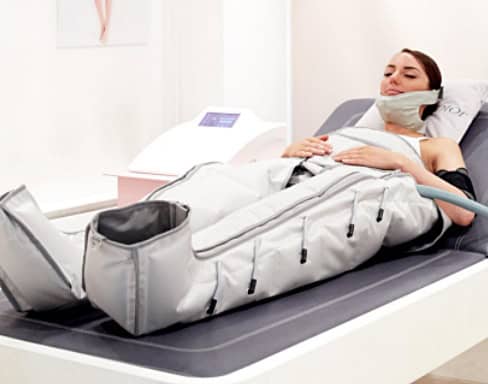
Clients’ journey at BioAesthetic starts with a full-body analysis to measure not just weight but visceral fat, muscle mass, and other metabolic markers. The experience is designed to feel like a guided health consultation rather than a conventional slimming session, with treatments tailored to each client’s unique physiology and lifestyle.
By shifting the focus from “bouncing back” to rebuilding and recalibrating, especially for postpartum women or those facing age-related metabolic changes, BioAesthetic emphasises long-term health, resilience, and sustainable transformation over temporary aesthetic fixes.
To gain deeper insights into the challenges of stubborn fat and the innovative solutions BioAesthetic offers, our team spoke with founders Ken and Sandra Koh. They shared their perspectives on visceral fat, the data-led approach that sets BioAesthetic apart, and how expectations around body recovery are evolving in today’s wellness landscape. Read on to find out more from their full interview.
Interview with Ken and Sandra Koh, Founders of BioAesthetic
Q1) Visceral fat is increasingly being discussed in clinical and wellness circles. How do you explain the difference between visceral fat and subcutaneous fat to clients in a way that is both accurate and relatable?
Ken and Sandra Koh: In simple terms, there are two main types of body fat, and they differ based on where they are stored.
Subcutaneous fat sits just beneath the skin. It is the softer fat you can see and pinch, commonly found around areas like the arms, thighs, or the surface of the abdomen.
Visceral fat, however, is stored deeper inside the abdomen, surrounding internal organs such as the liver and intestines. Because of this, it is not visible or easy to feel.
A helpful way to think about it is that subcutaneous fat is on the outside, while visceral fat is hidden within the body. Someone may look relatively slim but still carry visceral fat.
This distinction matters because visceral fat is more closely linked to how the body functions internally. Higher levels have been associated with metabolic concerns such as insulin resistance, cardiovascular strain, and other long-term health risks.
That said, it is not about eliminating fat entirely, but about maintaining a balanced level and understanding that not all fat behaves the same way. This is why health discussions today focus not just on weight, but also on fat distribution and overall body composition.
Q2) Many individuals feel frustrated when they “look healthy” externally but are told they may still carry higher internal fat levels. How do you address this disconnect and help clients understand their overall health?
Ken and Sandra Koh: That frustration is actually very valid — because for a long time, we’ve been conditioned to equate “looking slim” with “being healthy.” But the truth is, health is far more nuanced than what we see on the surface.
What we’re often talking about here is hidden fat, especially visceral fat — the fat stored around internal organs. Unlike subcutaneous fat (the kind you can pinch), visceral fat isn’t visible, but it plays a much bigger role in long-term health risks like metabolic issues, hormonal imbalance, and inflammation.
So when someone says, “But I’m not overweight,” and still has higher internal fat levels — it’s not a contradiction. It’s simply that aesthetic appearance ≠ internal health.
How we help clients bridge that gap
1. Instead of focusing on the number on the scale, we help clients understand:
– Body fat percentage
– Visceral fat levels
– Muscle mass vs fat ratio
You can be slim outside, but metabolically stressed inside — and that’s the part we want to take care of early.
2. We make the invisible, visible
Using body composition scans or visual analogies helps clients see what’s going on internally.
Because once they understand it, the motivation becomes intrinsic — not driven by vanity, but by longevity and wellbeing.
3. We connect it to how they feel (not just how they look)
Many of these clients already experience subtle signs:
– Low energy
– Bloating
– Stubborn fat areas
– Hormonal fluctuations
When we link internal fat to these everyday experiences, it becomes relatable.
Q3) What motivated your decision to invest in technologies that specifically target visceral fat, given that most traditional slimming treatments focus primarily on surface-level results?
Ken and Sandra Koh:
Honestly, it came from a growing realisation that we were solving the visible problem… but not the real one.
For years, most slimming treatments — across the industry — focused on what clients could see: inches lost, contouring, tighter silhouettes. And yes, those results matter. But over time, I started noticing a pattern:
Clients would look good on the outside…
but still feel tired, bloated, or stuck in their progress.
That disconnect didn’t sit right with me.
More clients today are not overweight — but carry higher levels of visceral fat due to:
- Stress
- Sedentary lifestyles
- Hormonal shifts
- Poor sleep
Traditional slimming treatments simply weren’t designed for this profile.
Health became the new luxury
There’s a clear shift in consumer mindset.
Clients are no longer just asking:
“How fast can I lose inches?”
They’re asking:
“How do I feel better, function better, and age better?”
And visceral fat sits right at the centre of that conversation — because it directly impacts metabolic health.
Q4) BioAesthetic emphasizes a data-led approach. How does incorporating medical-grade body analysis change the way clients perceive progress compared to more traditional aesthetic treatments?
Ken and Sandra Koh:
1. From Subjective Feelings → Objective Proof
Traditional aesthetic treatments often rely on visual changes, photos, or how clothes fit. These are meaningful—but also emotional and inconsistent.
With medical-grade analysis (e.g. visceral fat levels, muscle mass, metabolic age), clients get:
- Quantifiable baselines
- Measurable progress over time
- Clear validation of results
2. Personalised, Not Generic
Instead of a one-size-fits-all slimming plan, analysis allows:
- Tailored treatment protocols
- Smarter combination of technologies (e.g. fat reduction + muscle stimulation)
- Adjustments based on real-time response
3. Progress Tracking Becomes Motivating
When customers see numbers improving, it helps customers to adhere to following up with treatment and they have higher accountability. Small wins like drop in visceral fats and increase in muscle mass feel significant and keep them engaged.
4. Builds Trust & Credibility
We diagnose, track and improve customer’s condition with a data led approach, focusing on a medical, scientific and results driven positioning.
Q5) You’ve both repositioned a 30-year-old legacy business into a clinical aesthetics space. What were the biggest mindset shifts required to move away from conventional beauty and slimming models?
Ken and Sandra Koh: Repositioning a 30-year-old legacy business required us to fundamentally shift from a service mindset to a solution mindset. In the past, traditional beauty and slimming were often transactional—focused on treatments, relaxation, and surface-level results. We had to rewire ourselves to think more clinically: diagnosing before prescribing, prioritising long-term outcomes over short-term satisfaction, and being comfortable backing everything with data and evidence. It also meant moving away from “what customers want to hear” to “what they need to understand,” which requires a lot more education, honesty, and sometimes managing expectations. Internally, we had to elevate our team from service providers to consultants—people who can interpret data, communicate insights, and take ownership of real results. That shift wasn’t just operational, it was cultural. We stopped positioning ourselves as a place people come to feel better for the moment, and instead as a partner in their long-term confidence and health journey.
Q6) For postpartum women or individuals experiencing metabolic changes in their 30s and 40s, how should expectations around body recovery and fat loss realistically evolve?
Ken and Sandra Koh: For postpartum women and individuals navigating metabolic shifts in their 30s and 40s, expectations around body recovery and fat loss need to evolve from a “bounce back” mindset to one focused on rebuilding and recalibration. During this stage, the body is not simply returning to its previous state—it is adapting to hormonal changes, shifts in muscle mass, and often increased stress or sleep disruption, all of which can influence metabolism and fat storage, particularly around the abdominal area. Rather than chasing rapid weight loss, the goal should be restoring metabolic health, preserving or rebuilding muscle, and reducing visceral fat in a sustainable way. Progress may be slower, but it is often more meaningful when measured through improvements in body composition, energy levels, and overall well-being. With the right combination of targeted treatments, lifestyle support, and data-led tracking, clients can achieve results that are not only visible but also supportive of long-term health and resilience.
Q7) There is often a strong societal expectation for women to “bounce back” after pregnancy. From your perspective, where does this expectation originate, and how should it be reframed?
Ken and Sandra Koh: The expectation for women to “bounce back” after pregnancy often stems from long-standing societal pressures and subtle cues that suggest a woman should quickly return to her pre-pregnancy body. While the media does play a role, I think the pressure is also deeply internalised and reinforced through everyday conversations and expectations. From my own experience as a mother of three, I felt this very strongly—I was in a rush to get back into shape after giving birth. Looking back, I regret that mindset, because I missed out on moments where I could have slowed down and simply bonded with my child. I believe we need to reframe this narrative. Postpartum should not be about “bouncing back,” but about healing, rebuilding, and reconnecting—with our bodies and our babies. Giving ourselves a kinder, more compassionate timeline allows for a more sustainable recovery, both physically and emotionally, and ultimately leads to a healthier, more grounded version of ourselves.
Q8) How do you position treatments like Visceral Sculpt in relation to diet and exercise, especially for clients who are already leading relatively healthy lifestyles but still struggle with stubborn fat areas?
Ken and Sandra Koh: We position treatments like Visceral Sculpt as a complement—not a replacement—to a healthy lifestyle. Many of our clients are already doing the “right things” with diet and exercise, yet still struggle with stubborn fat areas due to factors like hormones, stress, genetics, or age-related metabolic changes. What this technology does is help bridge that gap by targeting fat that is often resistant to conventional methods, particularly visceral and deep-seated fat. It enhances the body’s natural metabolic processes and supports more efficient fat breakdown, but it works best when layered onto an already healthy foundation. We are very transparent about this—clients see it not as a shortcut, but as a precision tool that accelerates and optimises results they’re already working hard towards.
Q9) What can clients expect during their visit to BioAesthetic for a visceral fat-focused treatment, from assessment to results? How does this experience differ from a conventional slimming session?
Ken and Sandra Koh: At Bio Aesthetic, a visceral fat-focused visit is designed to feel more like a guided health consultation than a typical slimming session. It begins with a comprehensive medical-grade body analysis to understand not just weight, but fat distribution, visceral fat levels, muscle mass, and metabolic indicators. Based on these insights, a personalised treatment plan is curated—often combining technologies that target both fat reduction and metabolic activity, rather than just surface-level contouring. During the session itself, clients can expect a highly comfortable experience; there is no need to endure intense heat, sweating, or the sticky after-feel that’s common in conventional slimming treatments, especially in Singapore’s humid climate. Many clients find the treatment relaxing enough to rest or even nap through. Over time, beyond visible inch loss, they also report deeper benefits such as improved sleep quality, better energy levels, and a greater sense of overall well-being. This shifts the entire journey from a short-term aesthetic fix to a more holistic, sustainable approach to long-term health and body optimisation.
Q10) With your focus on transparency and measurable outcomes, how do you ensure clients maintain realistic expectations while still feeling motivated by the data-driven results?
Ken and Sandra Koh: With our focus on transparency and measurable outcomes, we’re very intentional about setting the right expectations from the start. We use medical-grade body analysis to explain what’s realistically achievable, and more importantly, what kind of timeline and consistency is required to get there. We also have very upfront conversations about commitment—if a client isn’t ready to follow through with regular sessions, we won’t enroll them, because results are a partnership. At the same time, we keep motivation high by making progress visible and tangible. Beyond the data, we take progress photos every four sessions so clients can clearly see changes in areas like the tummy and love handles, not just on a report but on their own body. This combination of honest expectation-setting, visual proof, and measurable tracking helps clients stay both grounded and encouraged throughout their journey.
Q11) On a personal level, how has working in the field of body composition and wellness influenced your own perspectives on health, body image, and long-term well-being?
Ken and Sandra Koh: Working in the field of body composition and wellness has completely reshaped how I view health and body image. Over time, I’ve moved away from seeing health as something purely visual, and instead, I value what’s happening beneath the surface—things like metabolic health, muscle quality, and visceral fat levels. It’s made me realise that looking “slim” doesn’t always mean being healthy, and conversely, true well-being often starts from within before it shows externally. On a personal level, this has shifted my focus from chasing quick aesthetic results to prioritising consistency, strength, and long-term vitality. It’s also deepened my empathy for clients, because I understand how easy it is to feel discouraged when progress isn’t immediately visible. Now, I see health as a journey of understanding your body, working with it—not against it—and building sustainable habits that support you not just for today, but for the years ahead.
Q12) Looking ahead, what are your plans or vision for BioAesthetic and Theresa Holdings in terms of new treatments, innovations, or broader wellness initiatives?
Ken and Sandra Koh: Looking ahead, our vision for BioAesthetic and Theresa Holdings is to continue bridging the gap between aesthetics and true wellness by deepening our data-led, medical-grade approach. We are investing in next-generation technologies that go beyond surface-level results—targeting areas like skin regeneration, visceral fat reduction, and feminine wellness—while integrating more advanced diagnostics to personalise every client’s journey. At the same time, we see a strong shift towards holistic care, so we are expanding into programmes that combine aesthetic treatments with lifestyle, metabolic health, and emotional well-being. Ultimately, our goal is to evolve from being just a treatment provider to a long-term partner in our clients’ confidence, health, and longevity—where every solution is intentional, measurable, and built to last.
BioAesthetic represents a new frontier in clinical aesthetics in Singapore, where data, medical-grade precision, and holistic wellness converge. With Visceral Sculpt and a focus on internal health markers, clients can now understand their bodies beyond what the mirror shows—tracking progress, improving metabolic health, and achieving sustainable transformation.
Interested in learning more or experiencing a Visceral Sculpt consultation? BioAesthetic is available at Orchard and Tampines, with packages starting at S$238 per session, including a full-body analysis on the first visit. Packages available for multiple sessions. Find out more at https://bioaesthetic.com.sg/
For those seeking a science-backed, holistic approach to reclaiming confidence and internal wellness, BioAesthetic offers a journey that empowers, educates, and transforms from the inside out.