
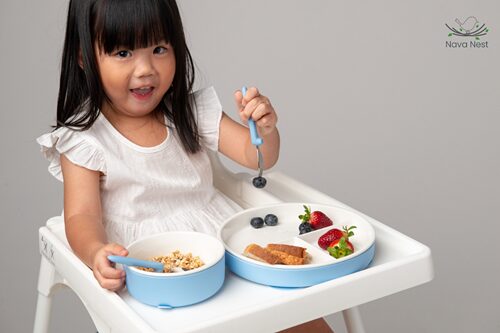
What started as a mother’s search for safer and more practical feeding essentials has grown into a Singapore baby tableware brand with a mission to encourage greater transparency in children’s products.
Founded by Cheryl Ng in 2025, Nava Nest was inspired by her own experience navigating her daughter’s weaning journey. Like many parents, Cheryl wanted feeding products that were safe, functional and aesthetically pleasing, but found that many options on the market required compromises in one way or another. Rather than settling, she decided to create a solution that reflected the standards she was looking for as a parent herself.
Today, Nava Nest offers a range of porcelain and stainless steel feeding essentials that have been independently tested by SGS. Built around the brand’s “Honest Materials” philosophy, the products are designed to support children through their weaning journey while giving parents greater insight into the materials used in everyday feeding products.
In conjunction with Baby-Led Weaning (BLW) Day on 1 July, Nava Nest is also shining a spotlight on an often-overlooked aspect of self-feeding: material safety. Through a public awareness initiative, the brand hopes to encourage parents to ask more questions about the products their children use every day and to make informed decisions when selecting feeding essentials.
Why Material Safety Matters
While parents naturally focus on nutrition and developmental milestones during the weaning stage, Cheryl believes it is equally important to understand the products that come into direct contact with a child’s food.
As babies begin exploring self-feeding, bowls, plates and cutlery become more than simple dining tools. They are touched, held, chewed and used daily as part of a child’s learning and development. For this reason, Nava Nest advocates greater awareness around the materials used in feeding products and the importance of independent testing and transparency.
The company’s range features porcelain bowls and plates paired with stainless steel cutlery, materials chosen for their durability and long-term usability. Products are independently tested by SGS against FDA food-grade standards, with the brand encouraging parents to look beyond marketing claims and seek information about product materials and testing standards.
As part of its awareness campaign, Nava Nest encourages parents to ask the following questions before purchasing baby tableware:
• What materials is this product made of?
• Has it been independently tested by a third-party body?
• Does it contain melamine or plastic components?
• If it is ceramic, has the glaze been tested for heavy metal leaching?
• Is it designed for durability and long-term use?
Interview with Cheryl Ng, Nava Nest’s Co-Founder.
We spoke with Cheryl Ng to learn more about the inspiration behind Nava Nest, the importance of material safety during the weaning journey, and the brand’s vision for the future. Read on to discover more.
1. What inspired you to start Nava Nest, and what gap did you notice in the baby tableware market?
Cheryl Ng: Nava Nest was born out of a frustrating reality I encountered as a parent during my daughter’s weaning journey. I wanted tableware that was safe, practical, and beautiful, but the market seemed to force parents to compromise on at least one of those qualities.
Plastic and melamine products often offered functionality, such as suction features, but raised material concerns I couldn’t ignore. Meanwhile, many ceramic options were aesthetically pleasing but lacked the practicality parents need during mealtimes. I realised there was a gap in the market for a solution that combined safety, practicality, and thoughtful design in one product. That became the foundation of Nava Nest.
2. How did your own weaning experience with your child shape the brand’s direction?
Cheryl Ng: My daughter’s transition to solids was a real turning point for me. Like many parents, I spent a lot of time thinking about what she was eating. But during the weaning stage, I had an “aha moment” and began asking a different question: what was she eating from?
As she started touching, chewing, and exploring everything around her, I became much more conscious of the materials in our home. That experience led me to research baby tableware more deeply and ultimately shaped Nava Nest’s philosophy around “Honest Materials”; prioritising materials that are safe, durable, and worthy of everyday use.
3. Why is BLW Day a meaningful moment for Nava Nest to speak up about material safety?
Cheryl Ng: BLW Day is personally meaningful because it coincides with a milestone that transformed the way I thought about feeding and child development. It was during my daughter’s weaning journey around 3.5 years ago that I became acutely aware of the materials we were using every day.
The weaning stage is a critical developmental period when babies are highly engaged with their environment. Through my research, I realised that many parents may not be aware of issues such as chemical migration, microplastic exposure, and material degradation when exposed to heat. BLW Day provides an important opportunity to start a broader conversation about material safety and to empower parents to make informed choices.
4. For readers new to baby-led weaning, can you explain why babies’ direct contact with tableware makes material choice especially important at this stage?
Cheryl Ng: During baby-led weaning, babies do much more than eat from their tableware. They chew on spoons, mouth bowls, explore textures with their hands, and interact directly with food and feeding tools for extended periods.
At the same time, foods are often served warm or contain acidic ingredients, which can increase the likelihood of certain materials breaking down or releasing substances into food. Because babies are in direct and frequent contact with both food and tableware, material choice becomes especially important. The goal is to remove unnecessary risks so parents can focus on helping their child develop confidence and independence around food.
5. What’s the difference between porcelain/stainless steel and the plastic or melamine tableware most parents already own?
Cheryl Ng: Porcelain and stainless steel are widely used in adult dining because they are durable, non-porous, and designed for long-term food contact. Porcelain is completely inert, meaning it does not absorb odours or flavours and does not react with food.
Plastic and melamine, on the other hand, are popular because they are lightweight and inexpensive. However, some materials may degrade over time, particularly when exposed to heat, scratches, or repeated use. Nava Nest’s approach is to use porcelain for bowls and plates, where food sits for extended periods, and stainless steel for cutlery, where durability and precision are important for self-feeding.
6. What kind of independent testing do your products undergo, and why was third-party verification (SGS) non-negotiable for you?
Cheryl Ng: We work with SGS, one of the world’s leading independent inspection and certification organisations, to test our products against FDA food-grade standards.
Third-party verification was non-negotiable because I wanted parents to have confidence in independently validated results rather than relying solely on brand claims. We don’t just say our products are safe; we make the reports available so parents can verify the information for themselves.
7. What exactly are you testing for: heavy metals, BPA, phthalates, and why do those matter for babies specifically?
Cheryl Ng: Our ceramic glazes are tested for leachable heavy metals, including lead and cadmium, which can potentially transfer into food over time if present in coatings.
We also verify the food safety of our silicone components and the grade of stainless steel used in our products. Because babies are still developing and have frequent contact with feeding products, it is important to ensure materials meet stringent food-safety standards and are suitable for everyday use.
8. If a parent is shopping for tableware today, what five questions should they be asking the brand?
Cheryl Ng:
- What materials are used in every part of the product, including coatings, glazes, finishes, and suction components?
- Has the product undergone independent third-party testing?
- Can the brand provide test reports or verification documentation?
- Has the ceramic glaze been tested for heavy metal leaching?
- What material grades are used, and how do they perform under heat and daily use?
9. Tell us about the Complete Weaning Set, what’s included and what age range it’s designed for?
Cheryl Ng: The Complete Weaning Set is designed as an all-in-one solution for parents beginning their baby’s self-feeding journey. It includes a suction bowl, a divided plate, and matching stainless steel cutlery.
The set is designed from the weaning stage onwards, typically from around six months of age, and is built to grow with children well beyond toddlerhood.
10. How do the silicone suction bases and stainless steel cutlery support a baby’s early self-feeding skills?
Cheryl Ng: The silicone suction bases help keep bowls and plates securely in place, reducing frustration and allowing babies to focus on learning rather than chasing moving dishes around the table.
The stainless steel cutlery is intentionally designed to support the development of motor skills. The weighted feel provides sensory feedback, while the functional tines help children successfully pick up and pierce food, building confidence and hand-to-mouth coordination during self-feeding.
11. Is there a price point story here? Why invest in tableware at this price versus a $5 plastic set?
Cheryl Ng: Nava Nest is built around long-term value rather than short-term convenience. Our philosophy is that products should outlive the stage they were purchased for.
A porcelain bowl can continue to be used long after the weaning phase, becoming a breakfast bowl, snack bowl, or family tableware piece for years to come. Rather than cycling through multiple lower-cost products that may stain, warp, or degrade over time, parents are investing in durable materials that are built to last. It’s a philosophy of buying better, buying less, and choosing products designed for longevity.
12. What’s next for Nava Nest, any new product lines or markets?
Cheryl Ng: At Nava Nest, our long-term vision is to create a complete 100% microplastic-free dining ecosystem for children.
We are currently researching and prototyping new products that align with our “Honest Materials” philosophy. While nothing has been officially announced yet, any future additions will need to meet the same standards for safety, functionality, and sensory purity as our current collection.
From a market perspective, our primary focus remains Singapore, although we are open to fulfilling regional requests on a case-by-case basis.
13. You’ve exhibited at Boutiques Singapore and will later be at the Green House Festival this year, what can parents expect to see or try there?
Cheryl Ng: Parents will have the opportunity to experience Nava Nest products firsthand, explore our material choices up close, and learn more about the thinking behind our “Honest Materials” philosophy.
They can expect hands-on demonstrations, opportunities to see the quality and craftsmanship of the products, and conversations around material safety, durability, and the role tableware plays in a child’s feeding journey.
14. What’s the one thing you hope every Singaporean parent takes away from this BLW Day initiative?
Cheryl Ng: I hope parents walk away understanding that tableware is not simply a convenience purchase. The materials children interact with daily matter.
My goal is to empower parents to ask better questions about what their children’s products are made from, how they are tested, and whether they are designed to support long-term health and development. Ultimately, I believe the smallest seat at the table deserves the highest standard—one defined by purity, longevity, and thoughtful design.
As Baby-Led Weaning Day approaches, Nava Nest is using the occasion to encourage parents to think beyond mealtime routines and consider the products that play a role in their children’s feeding journey. Through its focus on transparency, independently tested materials and thoughtful product design, the brand hopes to empower families with the knowledge needed to make informed choices.
For Cheryl Ng, the mission behind Nava Nest remains rooted in the experience that inspired the company in the first place: helping parents find feeding essentials that combine safety, practicality and design without compromise. As awareness around material safety continues to grow, she hopes more families will feel confident asking questions and seeking greater transparency from the brands they trust.
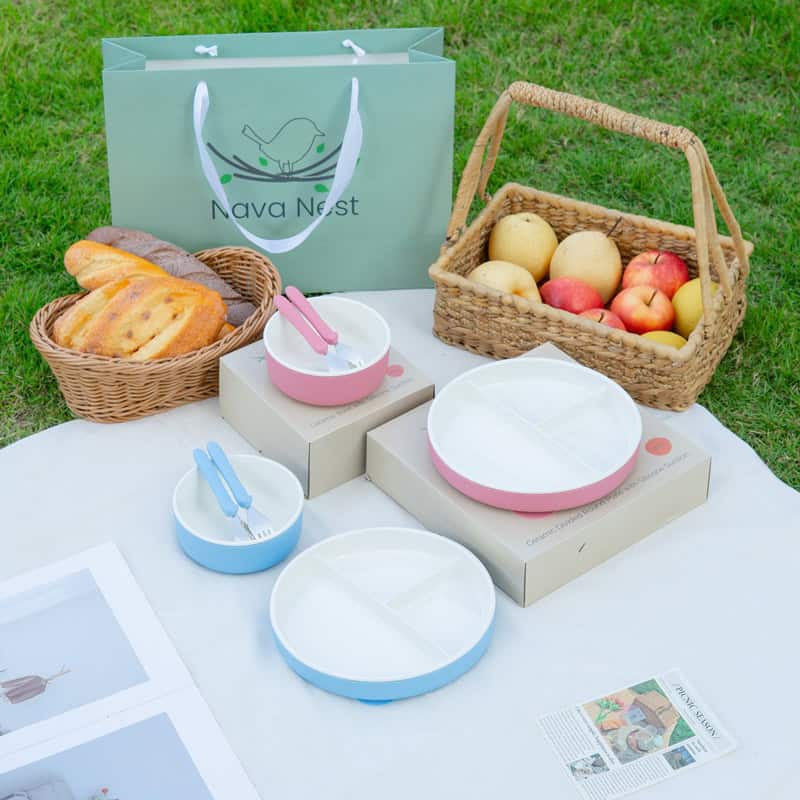
For more information and to purchase, please visit https://www.navanest.com.sg/ or follow Nava Nest on Facebook, Instagram or TikTok.