
Influenza can spread quickly among children, especially when they are spending time together at school, childcare and other activities. By the time a child develops a fever or starts coughing, the virus may already have been passed on to others.
Singapore has recently seen an increase in influenza activity. The Communicable Diseases Agency (CDA) reported a rise in influenza cases in September 2026, while noting that there was no indication that the infections were more severe than usual.
For parents, knowing how influenza spreads and what can be done before a child becomes unwell can make it easier to respond when flu is circulating. Vaccination, good hygiene, keeping unwell children at home and knowing when to seek medical attention all have a role to play.
Understanding Influenza in Children
Influenza is a contagious respiratory infection, and children can play an important role in bringing the virus home after being exposed at school or through other activities.
Some children are also more vulnerable to complications. Singapore’s current vaccination guidance identifies young children and those with certain underlying medical conditions as higher-risk groups for severe influenza.
Vaccination is one of the preventive measures available to families. Singapore’s National Childhood Immunisation Schedule recommends influenza vaccination annually or per season for children aged 6 months to under 5 years, as well as for children and adolescents aged 5 to 17 with specific medical conditions or indications.
However, vaccination is not the only consideration. Families can also take everyday precautions to reduce transmission and should know what symptoms and warning signs warrant medical attention.
Interview with Dr Jenny Tang, Senior Consultant Paediatrician, SBCC Baby & Child Clinic
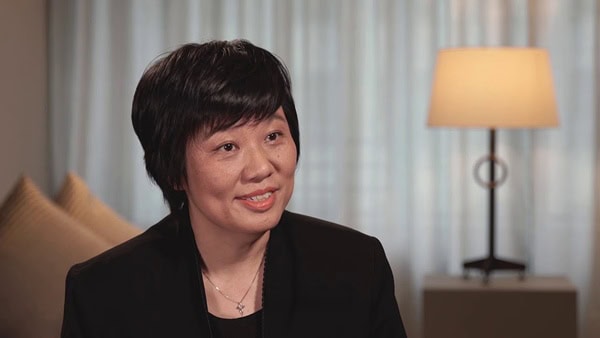
To help parents better understand childhood influenza and what they can do to protect their families, we spoke with Dr Jenny Tang, Senior Consultant Paediatrician at SBCC Baby & Child Clinic.
Dr Tang shares her insights on influenza activity in Singapore, children who may be more vulnerable to complications, vaccination, the 2026–2027 Northern Hemisphere vaccine, common vaccine concerns, everyday prevention and what parents should do when a child develops flu-like symptoms. Read on to find out more.
1. Singapore has recently seen an increase in influenza cases. As children return to school and continue interacting closely with classmates and other children, what should parents know about influenza activity at this time, and which children may be more vulnerable to complications?
Dr Jenny Tang: Influenza infections occur throughout the year in Singapore, with cases typically increasing from April to July and November to January. Influenza spreads easily, mainly through droplets when an infected person coughs or sneezes and can also spread through contaminated hands and surfaces. The influenza virus can survive on surfaces for up to 1 – 2 days.
Symptoms can include fever, cough, sore throat, headache, muscle aches, fatigue, diarrhoea and vomiting. Other infections, including COVID-19 and dengue, can cause similar symptoms, so it may not always be possible to tell from symptoms alone whether a child has influenza.
Children may be able to spread influenza from about a day before symptoms appear, and symptoms can take several days to develop after exposure. Precautions should, therefore, be taken around children who appear to be ill and children who have been exposed to other children who subsequently become ill with influenza infections. Children who are unwell should stay home from school to avoid spreading the infection to others.
Children less than 6 years old, and children with chronic medical conditions such as heart or lung disease, diabetes, liver or kidney disease, neurological conditions, or a weakened immune system due to illness or medication, are more vulnerable to complications. Children on long-term aspirin therapy, those with certain blood disorders, and children with severe obesity may also be at higher risk.
Prophylactic, also known as preventative medication, can be considered for these children if there is exposure to proven influenza infection to reduce the risk of complications from the disease if infected.
2. Parents often only start thinking about influenza once their child develops symptoms. What can families do proactively before a child becomes unwell to reduce the risk of influenza and prepare for periods of increased influenza activity?
Dr Jenny Tang: Families can ensure their children get adequate sleep, maintain a healthy balanced diet, stay well hydrated, maintain good cardiovascular fitness, and keep stress levels low to boost their immunity levels. They should also avoid exposure to cigarette smoke.
During periods when influenza is spreading more widely, families can also take extra precautions in crowded or enclosed spaces, including wearing a mask where appropriate. Families can also consider annual or biannual (if indicated) influenza vaccinations for their children to reduce the risk of influenza infections and its associated complications.
3. What role does annual influenza vaccination play in protecting children, and what level of protection can parents realistically expect from vaccination, particularly when it comes to reducing the risk of severe illness and complications?
Dr Jenny Tang: Timely influenza vaccinations reduce the risk of children catching influenza infections, reduce the risk of severe illness and complications, particularly among children who are more vulnerable.
Children can often bring influenza into the household, as they are exposed to the virus at school or through other activities. Research has identified children as an important source of secondary influenza transmission within households. Importantly, children do not need to have an underlying medical condition to become seriously unwell. A Singapore study found that around 75% of children hospitalised with influenza had no underlying medical condition, while about one in four (25.6%) developed complications, including neurological or respiratory complications.
Protection from influenza vaccination can vary depending on the type of vaccine used, the influenza viruses circulating at the time, and how well an individual responds to the vaccine. Healthy children and young adults generally develop a stronger immune response to vaccination. Protection is also better when the strains included in the vaccine closely match those circulating in the community.
The intranasal live attenuated influenza vaccine (LAIV), commonly known as a nasal spray flu vaccine, may provide stronger and longer-lasting protection in children compared with the intramuscular influenza vaccine, which is given by injection.
4. The 2026–2027 Northern Hemisphere influenza vaccine is expected to become available in Singapore in early to mid-October. For parents considering influenza vaccination for their child during this period, what should they consider when deciding whether to receive the 2026 Southern Hemisphere vaccine now or wait for the Northern Hemisphere vaccine? And what should parents know if their child has already received the 2026 Southern Hemisphere vaccine?
Dr Jenny Tang: The WHO-recommended Trivalent 2026–2027 Northern Hemisphere influenza vaccine contains three influenza strains, two of which differ from those included in the 2026 Southern Hemisphere vaccine. This means that children who have received the 2026 Southern Hemisphere vaccine may not be adequately protected against the influenza strains currently circulating.
Protection only develops after vaccination. I would therefore recommend that children receive the appropriate dose of the 2026–2027 Northern Hemisphere vaccine once it becomes available, regardless of their previous vaccination history, rather than waiting for the next Southern Hemisphere vaccine.
5. Safety and effectiveness are common concerns among parents considering influenza vaccination for their children. What would you like parents to understand about the vaccine’s benefits, its limitations and the common side effects they may experience after vaccination?
Dr Jenny Tang: Both the intramuscular influenza vaccine and live attenuated influenza vaccine (LAIV) are available for children in Singapore. Both are effective and have excellent safety records when used as indicated. Common side effects are mild and temporary. The intramuscular influenza vaccine can be used in children aged 6 months and older. Common side effects include injection site reactions (pain or redness), fever, fatigue, or fussiness in younger children, body aches or headaches.
LAIV can be used from aged 2 years and older. Common side effects include fever, sore throat, rhinitis or nasal congestion. LAIV has been shown to be more effective in protecting children against influenza infection and provides more sustained protection across the influenza season compared to intramuscular influenza vaccine.
6. Some children are very afraid of needles, which can make vaccination stressful for both the child and parent. What practical steps can parents take before and during the appointment to help their child feel more comfortable about receiving an influenza vaccination?
Dr Jenny Tang: Parents can consider using the intranasal LAIV where the route of administration is through a nasal spray, and no injection is needed. This has shown wide acceptability amongst children and their parents and may reduce vaccine hesitancy due to fear of needles.
For children who receive the intramuscular influenza vaccine, doctors may also use a numbing cream before the injection to minimise discomfort.
7. Beyond vaccination, what everyday measures can families take to reduce the spread of influenza, including good hand hygiene, respiratory etiquette and keeping a child who is unwell at home? Are there any common practices that parents may overestimate or underestimate in terms of how helpful they are?
Dr Jenny Tang: Good hand hygiene, respiratory etiquette such as covering coughs and sneezes, and being socially responsible by staying home when unwell are simple, evidence-based measures that can reduce the spread of influenza. Early treatment with antivirals within 48 hours of the onset of symptoms in at-risk children can reduce the severity of illness and the spread of infection. Prophylactic or preventative treatment with antivirals may also reduce the risk of infection in at-risk children who have been exposed to influenza.
Some common misconceptions about the spread of influenza:
“You can’t get influenza infection if you are vaccinated”.
o Fact – The influenza vaccine reduces the chances of catching influenza, but it does not provide 100% protection. The vaccine is designed to protect against the most common strains of influenza predicted for the season, but it is possible to encounter a different strain or still become infected with a matching strain. If a child develops influenza after vaccination, the symptoms are likely to be milder and of shorter duration last for a shorter period.
“You don’t need to worry about influenza infection if you had it before”.
o Fact – There are multiple strains of the influenza virus, and these strains can change over time. Having had influenza before does not mean a child will be immune to other or newer strains. Annual influenza vaccination remains important in reducing the risk of infection.
“You can’t spread the flu if you do not have symptoms.”
o Fact – Persons with influenza infection are contagious from about one day before symptoms appear and up to 7 to ten days after becoming sick. Maintaining good hygiene consistently and annual influenza vaccinations are important ways to reduce the risk and spread of infection.
8. Finally, if a child develops influenza or flu-like symptoms, what can parents reasonably do at home to care for their child, and what warning signs or changes in the child’s condition should prompt them to seek medical attention?
Dr Jenny Tang: What parents can do:
Bring the child to a doctor to determine if testing, antiviral medication or other treatment is needed.
Keep the sick child at home and limit contact with others to reduce the spread of infection.
Ensure the child gets plenty of rest.
Encourage the child to drink sufficient fluids and stay hydrated.
Paracetamol or ibuprofen can be used, to manage pain or fever
What warning signs that should prompt medical attention:
Not eating or drinking enough, with signs of dehydration i.e. cold hands and feet, sunken eyes, reduced urine output
Difficulty breathing or shortness of breath
Pain or pressure in the chest or abdomen
Sudden dizziness
Confusion
Severe or persistent vomiting
Worsening tiredness or lethargy
What Parents Can Take Away
There is no need to wait until a child becomes unwell before thinking about influenza. Understanding how the virus spreads, taking sensible precautions, keeping unwell children at home and considering vaccination where appropriate can help families feel more prepared.
Parents should also pay attention to how their child is coping during an illness. If symptoms become severe, prolonged or worsen, or if warning signs such as difficulty breathing, dehydration, confusion, severe vomiting or increasing lethargy appear, medical attention should be sought.
Most importantly, prevention starts with simple steps at home and knowing when your child may need extra care. If you have questions about influenza vaccination or treatment, speak with your child’s doctor about what is most appropriate for your child.
A little preparation can go a long way in helping families navigate flu season with greater confidence.